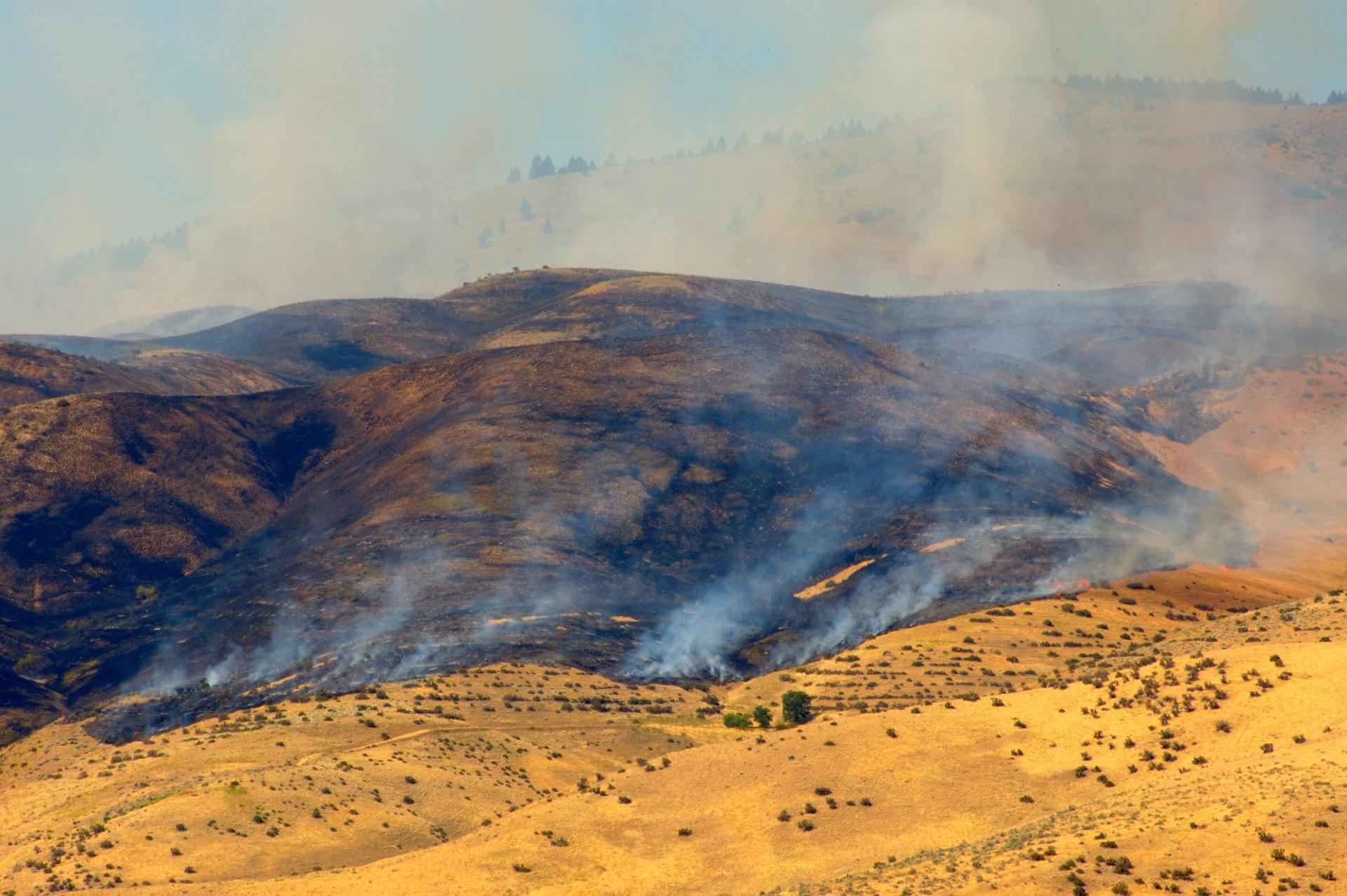
The threat of wildfires is part of life in the Mountain West, but the effects of a changing climate have shifted how we view the seasonality of wildfires, making them increasingly unpredictable and expanding high risk periods. Agencies across Idaho have been working to adapt to shifting risks, but some residents have been taking wildfire preparedness into their own hands.
Idaho Statesman reporter Sarah Cutler spoke to the City Cast Boise podcast about how a brush with disaster inspired Mesa neighborhood residents to form an alliance to make sure they are better prepared for the next wildfire. Here are some of the wildfire preparedness strategies we learned.
Wildfire Education and Resources
The City of Boise website has a wealth of information on things like in-home fire safety, evacuation plans, and wildfire mitigation. Ada County has its own fire adapted community page with resources and informational fire safety videos.
Emergency Alerts
Signing up for alerts can help save precious time.
- CodeRED — a free account and mobile app lets you customize direct alerts from public safety officials. Get weather updates with a $.99 upgrade.
- PulsePoint — create a customized dashboard with alerts for individual safety agencies and incident types.
- Idaho Power — check up-to-date outage information through the mobile app and learn what to do when the power goes out.
Coordinate with Neighbors
Mesa neighbors created its own Municipal Emergency Safety Actions community group to divide the neighborhood into pods with designated captains responsible for sharing resources for their pod.
The community group also partnered with the fire department to perform evacuation drills — neighbors told Cutler that the drills helped identify needs they hadn’t thought about and pushed them to realize how quickly time passes during an emergency evacuation.
Pack a Go-Bag
Things happen quickly during a wildfire, so keep essentials like water, toiletries, and masks at hand. Hey Boise editor Blake Hunter has a list of items you should include in your go-bag.
The Mesa neighborhood’s model is a stellar example of preparing for the worst, but simply sharing contact information and emergency plans with neighbors can go a long way in keeping each other safe.