Unfortunately it’s not just flu season, but bird flu season. H5N1 — or avian influenza — is spreading among wild birds, poultry flocks, dairy cows, and even humans. While Idaho hasn’t reported any cases of bird flu in humans yet, state public health labs are monitoring the spread closely. But even if no one catches it, you’re probably already feeling the illness in your wallet.

Who’s Catching Bird Flu, and How to Avoid It
No Idahoans have caught bird flu yet, but like other strains of influenza (state epidemiologist Dr. Christine Hahn told City Cast Boise bird flu is a cousin to the common flu), it can mutate rapidly to jump between species.
It has already been documented in 12 states, with a total of 69 human cases of the virus, according to Centers for Disease Control and Prevention (CDC) statistics on Wednesday. In early January, Louisiana reported the first human death from bird flu.
Hahn said severe cases are most common among infants and people over 65. The state is monitoring flu reports from around Idaho to try to detect bird flu in humans early, if they do happen. Contamination could be possible through raw dairy products, but that hasn’t been confirmed yet.
“For people, we believe they’re at greater risk [of infection] if they are caring for or near infected birds or other animals,” Hahn said.
How It’s Already Impacting Idaho
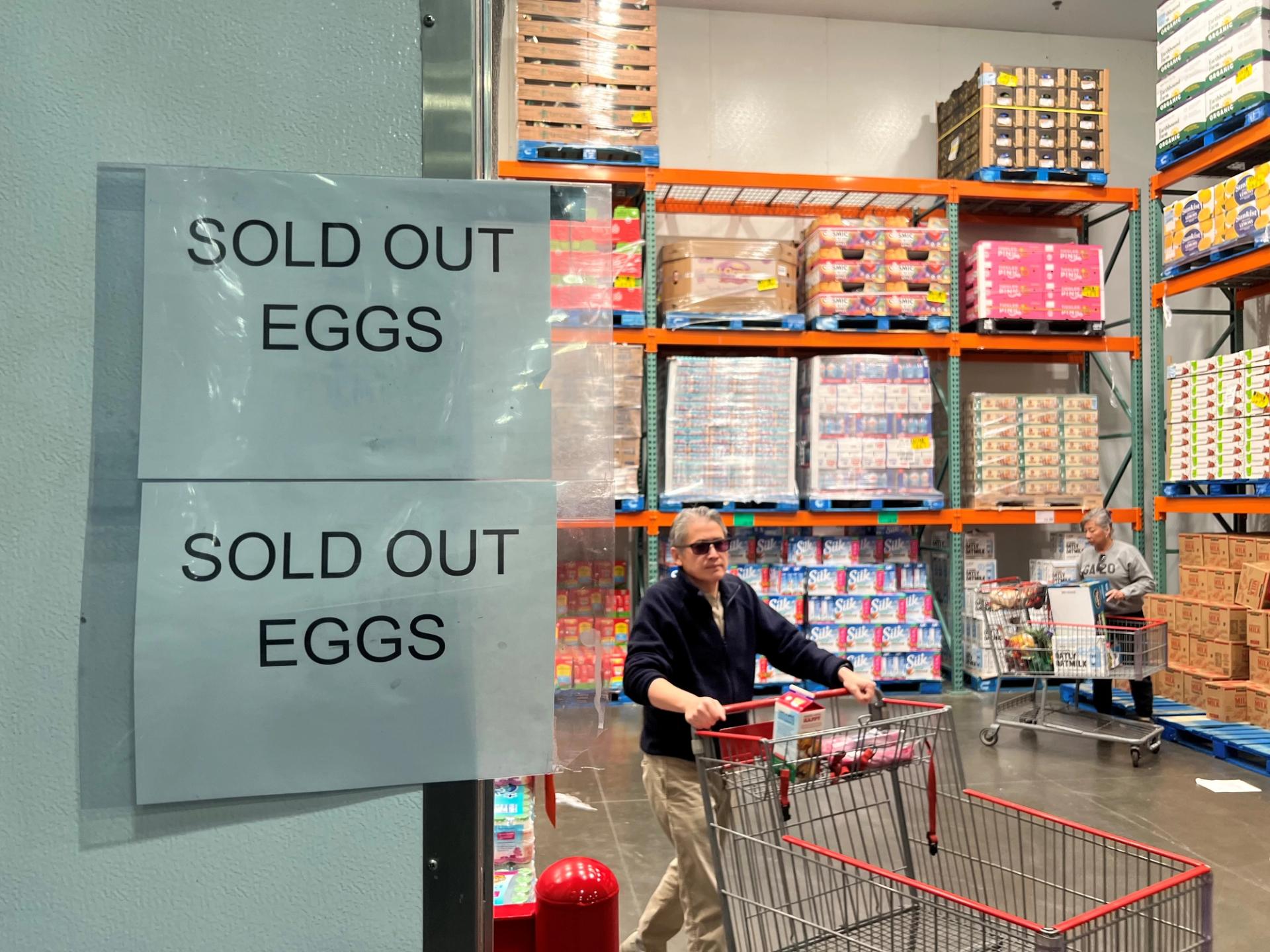
You probably don’t need me to tell you this, but bird flu is already affecting Boiseans at the grocery store. If you buy eggs, you know their prices have soared since the start of the year, and local grocers are asking customers to only buy as many as they need.
The price of eggs hit an all time high nationally in January as poultry farms have culled egg-laying hens to prevent further infections. According to the Idaho Statesman, backyard chickens have been the sole sites of bird flu in chickens in Idaho, with no poultry farms reporting cases yet. However, dozens of dairy farms have seen infections in cattle.