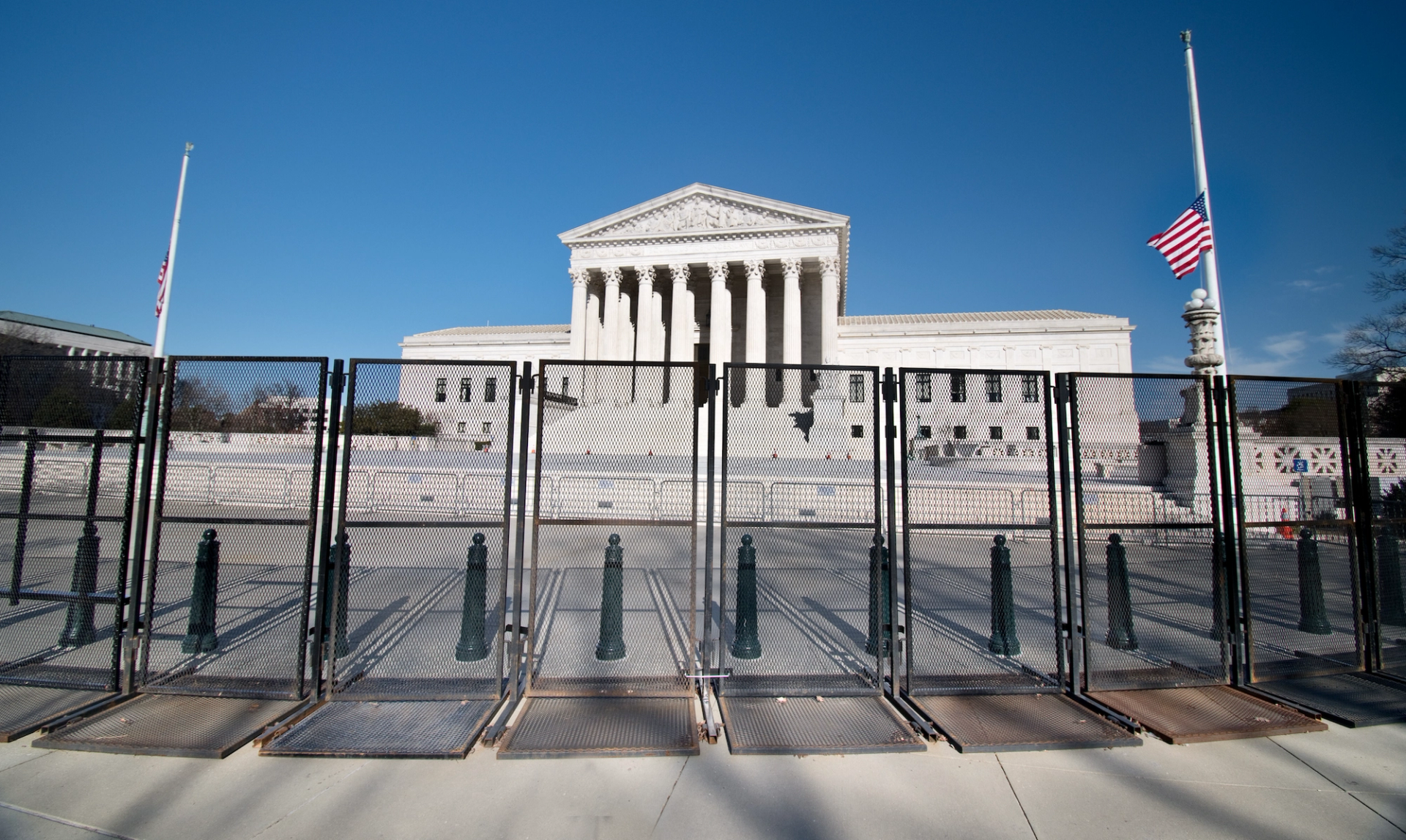
In 2024, the U.S. Supreme Court will hear its first cases regarding abortion since overturning Roe v. Wade a year and a half ago. One is a major lawsuit about mifepristone, a drug used in medication abortion. Another is from right here in Idaho.
The Supreme Court has agreed to review Idaho’s law banning abortions, even in medical emergencies, this spring. Between now and then, the high court is letting the ban take effect in the Gem State. Now, ER doctors in Idaho can only provide an abortion if they believe their patient will die without it.
The Ban & Lawsuits
Idaho lawmakers passed one of the nation’s strictest abortion bans in the “Defense of Life Act” in 2020. Under it, abortions are only legal in two very specific circumstances: if the pregnant patient’s life is at risk, or in a case of rape or incest that must be reported to law enforcement within the first twelve weeks of pregnancy.
Utah’s abortion policies are a good indicator of how extreme Idaho’s law is. In Utah, an emergency room physician can provide an abortion if a patient’s health is at risk. In Idaho, an abortion is only legal if the patient’s life is at risk.
When the confusion over a person’s life and health combines with the stress of an emergency room, physicians say they won’t take the chance of losing their medical license and facing a $20,000 fine and jail time. Instead, they’ll transfer patients out-of-state.
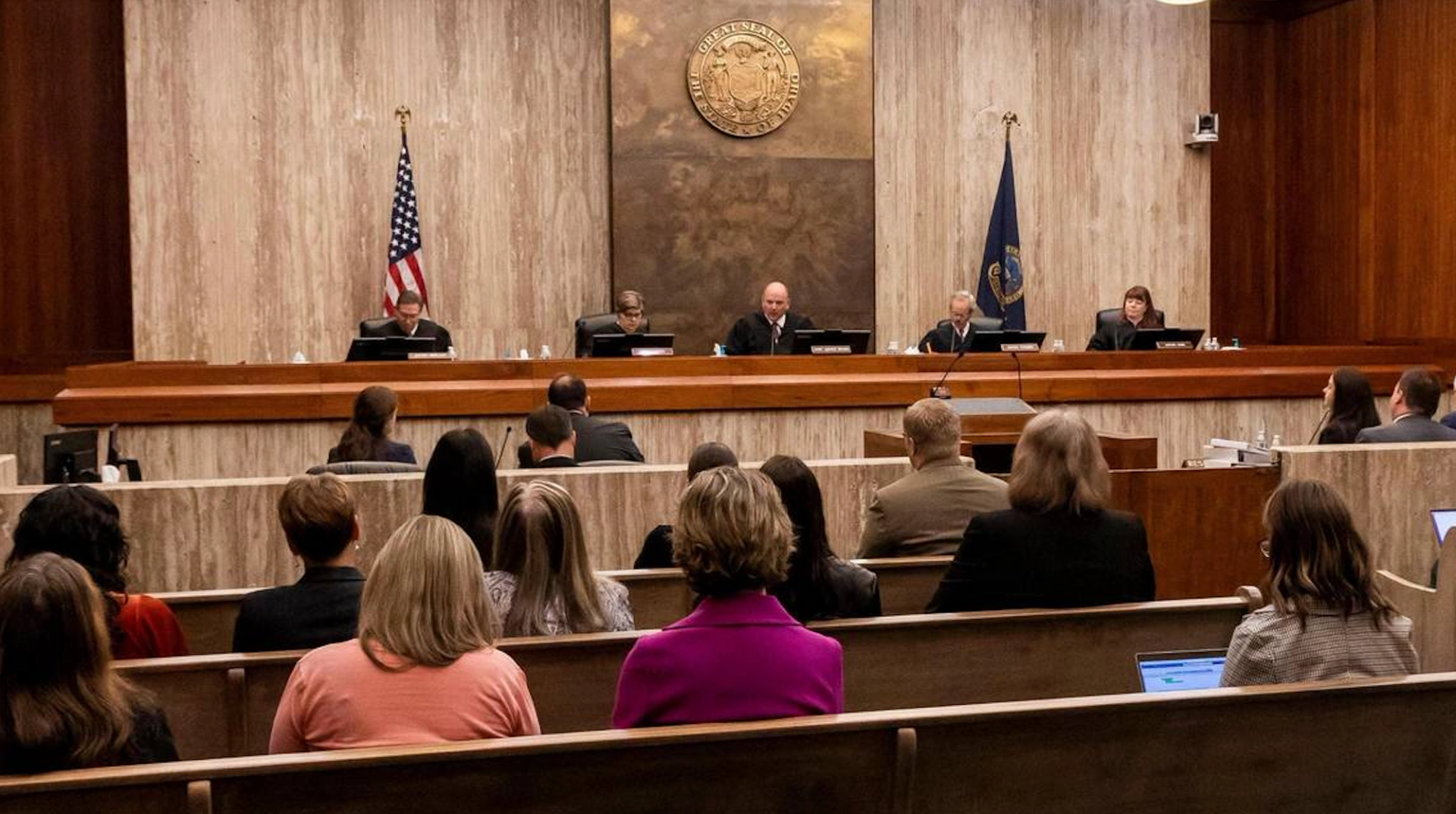
Two lawsuits aim to clarify the particulars of Idaho’s near-total abortion ban, but neither can come close to overturning it. (Idaho Statesman / Getty)
Adkins v. Idaho: Pregnancy Complications
Four women who traveled to another state to have an abortion brought a lawsuit against Idaho along with two physicians in September 2023. All the women had serious pregnancy complications and want the state to answer for the financial, mental, and physical stress they endured to ensure they could survive their pregnancies.
The physicians said their careers and obligations are at stake with such a strict, but unclear, law.
Attorney General Raúl Labrador sought to have the case dismissed, and an Idaho judge threw out two of the plaintiff’s arguments. The case will move forward, as the judge agreed to determine what specific medical situations an abortion is allowed in. It will likely pick back up again in fall 2024.
Idaho v. United States: The Department of Justice & EMTALA
The Biden Administration waded into a legal battle over Idaho’s abortion ban when the Department of Justice said it violated the Emergency Medical Treatment and Labor Act (EMTALA).
EMTALA requires any hospital that receives Medicare funding to provide stabilizing care in emergency rooms. Since an abortion could be necessary to stabilize a patient, the federal government says that the abortion ban conflicts with EMTALA.
Earlier this month, the U.S. Supreme Court decided to weigh in. SCOTUS has two opposing decisions to weigh. The Ninth Circuit Court of Appeals sided with the Department of Justice, saying that EMTALA trumps Idaho’s abortion ban.
In Texas, however, the Fifth Circuit Court of Appeals came to the opposite conclusion in similar cases. The court’s decision should come by early July.
Both Adkins v. Idaho and the EMTALA case aim to clarify the parameters of Idaho’s ban. Neither have the standing — or are even attempting — to overturn it.