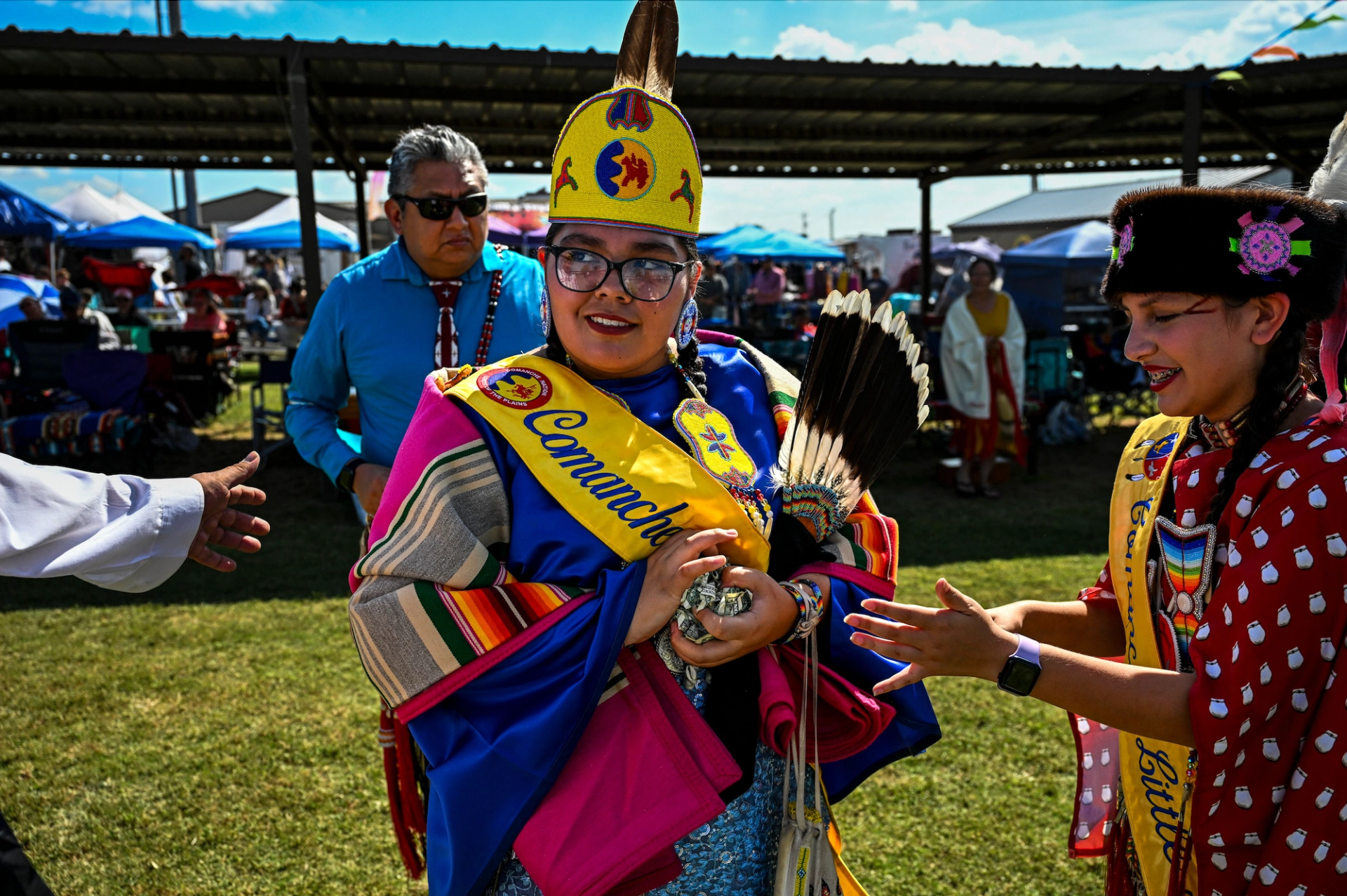
November was officially designated as a heritage month in 1990 to recognize America’s original inhabitants and celebrate their rich culture and contributions, then referred to as National American Indian Heritage Month. However, efforts to pay tribute to Indigenous people started long before.
Red Fox James, a member of the Blackfeet Nation, rode horseback across the U.S. seeking approval for a day to honor Native Americans. In 1915, he presented an endorsement from 24 states to the White House. The first official American Indian Day was declared by the New York state governor in May 1916. President Joe Biden’s 2024 proclamation for this heritage month makes a commitment to work with Native communities to “write a new and better chapter in American history.”
There are 574 federally recognized nations, tribes, and pueblos within the U.S. comprising about 9 million people who identify as American Indian, Alaska Native, Native American, and Indigenous. Self-governance is at the heart of Native people’s ability to protect and enhance the health, safety, and welfare of their communities.
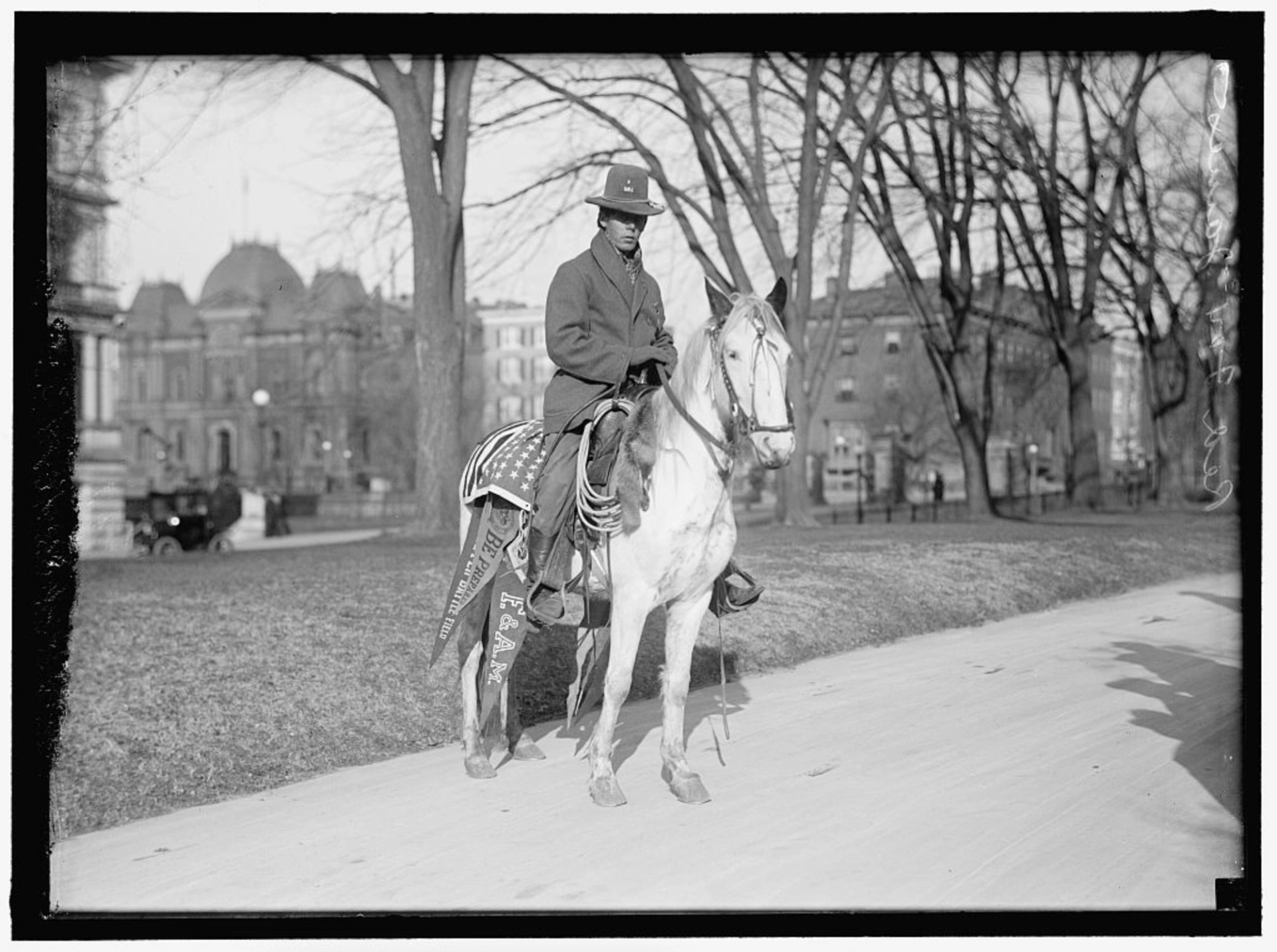
Red Fox James, one of the early proponents of a federal holiday honoring Indigenous people within the U.S. (Library of Congress)
There aren’t many public events you can go to for Native American Heritage Month in Boise, but there are many ways to honor the peoples indigenous to this land.
The Idaho State Museum is holding an educational event on Nov. 9 featuring Randy’L Teton, a member of the Shoshone-Bannock Tribes of Fort Hall and author of “It’s Her Story: Sacajawea.”
Teton will talk about her research into the Shoshone woman whose story has so frequently been told through white perspectives, which inspired Teton’s new children’s book.
The IIA engages Indigenous communities and those who want to support them across the state, distributing goods and services, protecting abortion rights for anyone who needs them, and working to end the epidemic of Missing and Murdered Indigenous Women and People (MMIWP).
In Idaho, Indigenous people, particularly women, go missing at almost twice the rate of all other people, a trend across the U.S. and Canada.