If affairs on Earth have you looking to the cosmos this summer, here are a few dates to put on your calendar — and where to go for the best viewing experience.
Idaho’s Summer 2025 Celestial Events
Multiple eclipses have come and gone already in 2025 and the path of September’s total lunar eclipse will miss North America, but there are still some late-night-worthy celestial events on the way.
The Milky Way Galaxy
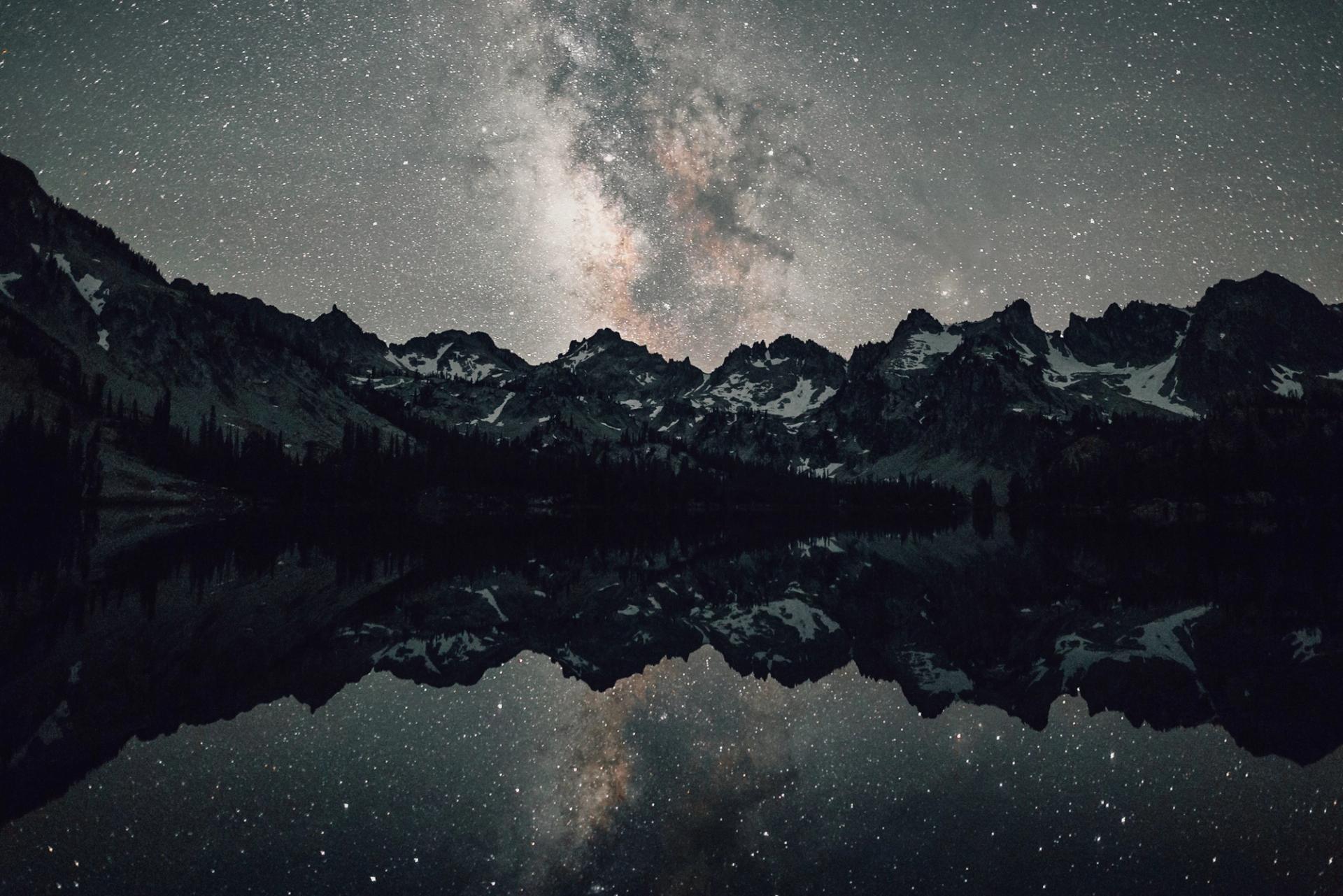
The center of the Milky Way galaxy is moving into peak viewing this month, and will stay visible until August. Any of these new moon dates will provide optimal visibility: May 26, June 25, July 24, and August 23.
Jupiter-Venus Conjunction
Jupiter’s size and Venus’ proximity to Earth make the two planets some of the brightest bodies in the night sky, and these two will align very close to each other on August 12.
Perseid Meteor Shower
The Perseids are one of the busiest and most visible meteor showers in the northern hemisphere, and fall in mid-August each year. This year the shower will compete with the waxing moon on August 12 and 13.
Where To Go Stargazing
As much as Boise is growing, it’s still the most geographically isolated major U.S. city, and that means we’re surrounded by places with incredible opportunities to behold the night sky.
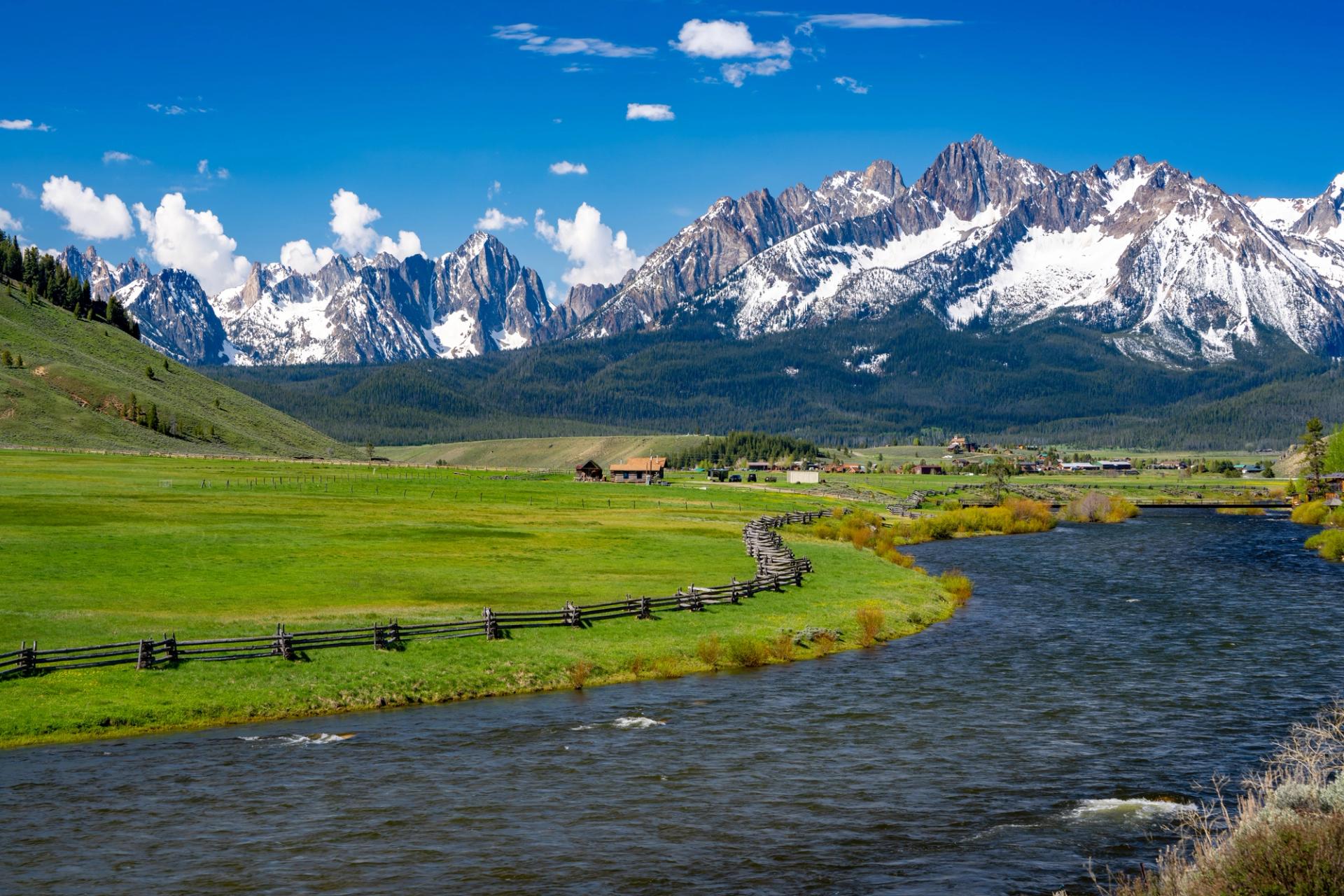
- To feel like a speck of dust (but in a good way), the Central Idaho Reserve in the Sawtooths, about two hours from Boise, is the place to be. It’s the only Dark Sky Reserve in the U.S. as designated by the International Dark-Sky Association.
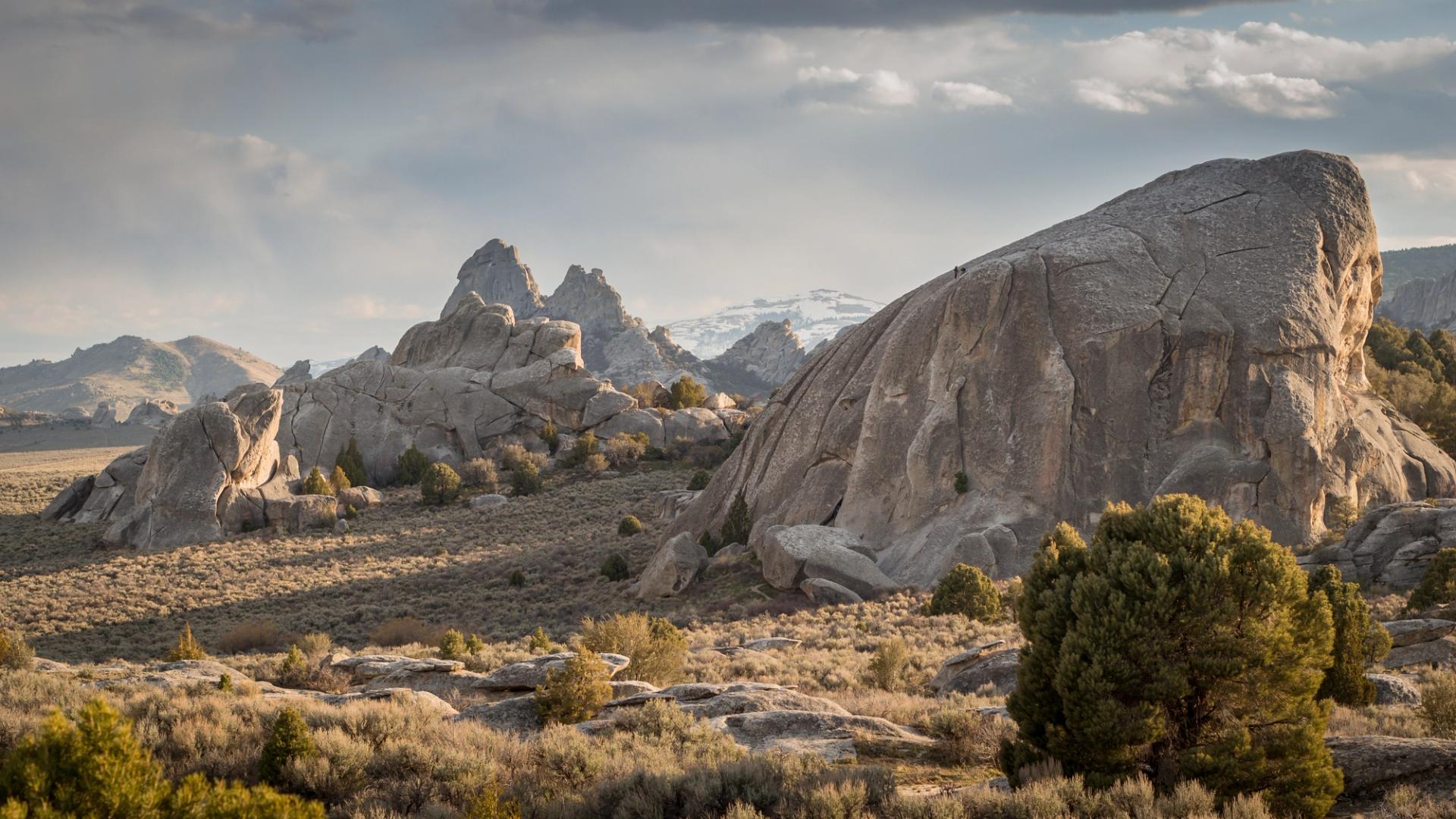
- The two next-darkest skies in Idaho can be found at the Craters of the Moon National Monument, three hours to the east, and the City of Rocks, three hours to the southeast.
- The new observatory at Bruneau Dunes State Park, just an hour out of town, is available for public use and was designated as a dark sky park last month.
- Even nearer by, try the backroads (pack it in, pack it out, etc.) in the Morley Nelson Conservation Area, less than an hour south of Boise.
Happy stargazing!