Are you curious about birding? Eager to take advantage of spring weather? Here’s a quick guide on how to get into birding around Boise.
Birding Basics
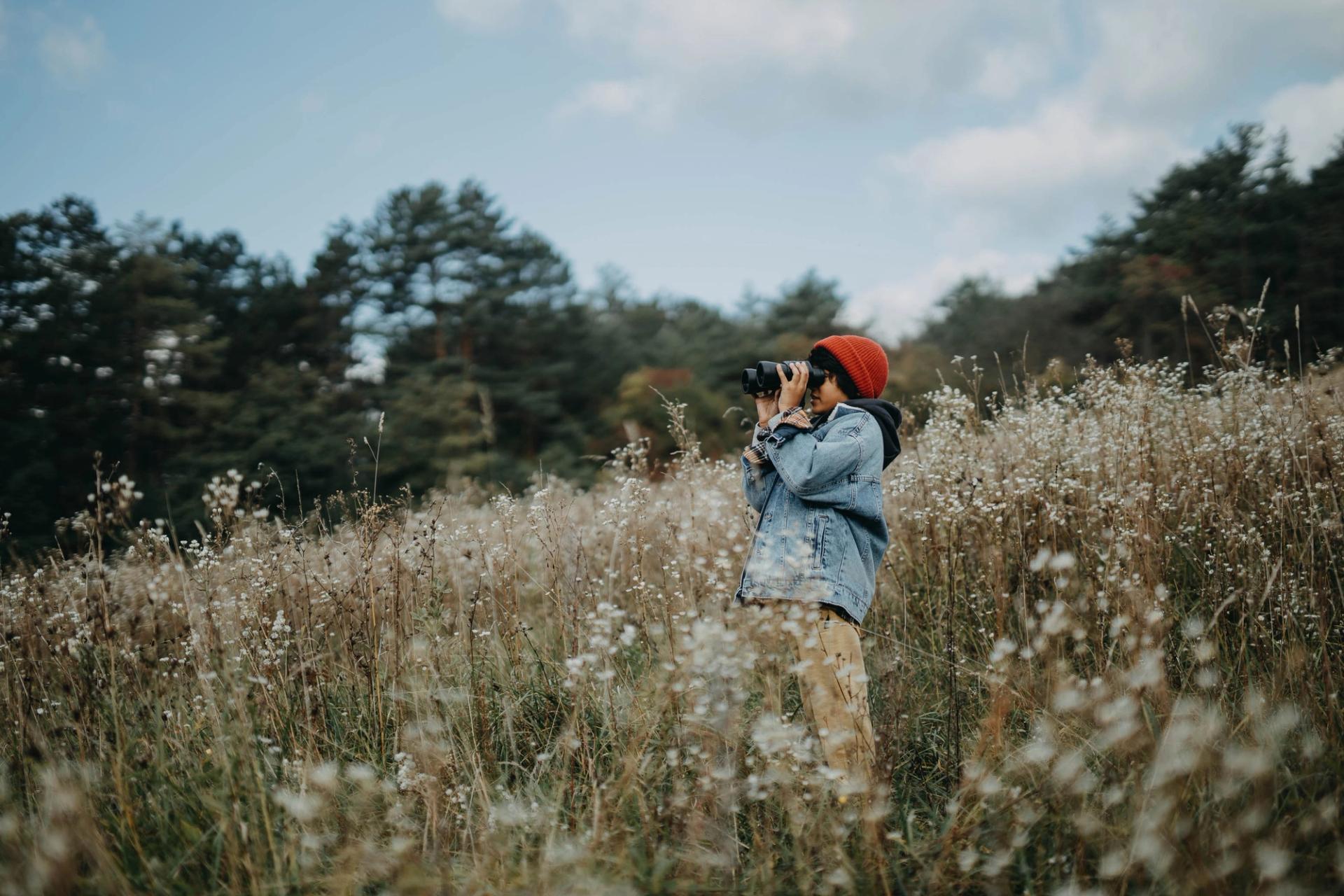
The best part of birding is that all you need to get started is curiosity. Take a walk through the neighborhood or the park and check out the winged creatures around you. My wife and I moved into a new home near a gulch last year and a pair of binoculars now lives on my windowside desk — it’s that easy!
The next, and most satisfying step, is identifying birds. I highly recommend the eBird app, where you can track the birds you find and share information with fellow birders and scientific researchers for free. The app iNaturalist is also a good resource, though it’s more generally focused on all flora and fauna.
The Golden Eagle Audubon Society, southwest Idaho’s chapter of the National Audubon Society, is a wealth of knowledge for bird identification, conservation, and public land restoration. They also host regular events and workshops for birders of all levels.
The organization’s Banquet for Birds event on April 19 features renowned birder Christian Cooper, whose show “Extraordinary Birder” and book “Better Living Through Birding” inspired me to really get into the hobby. Cooper will also be at Boise State University on April 17, if you’re looking for extra inspiration.
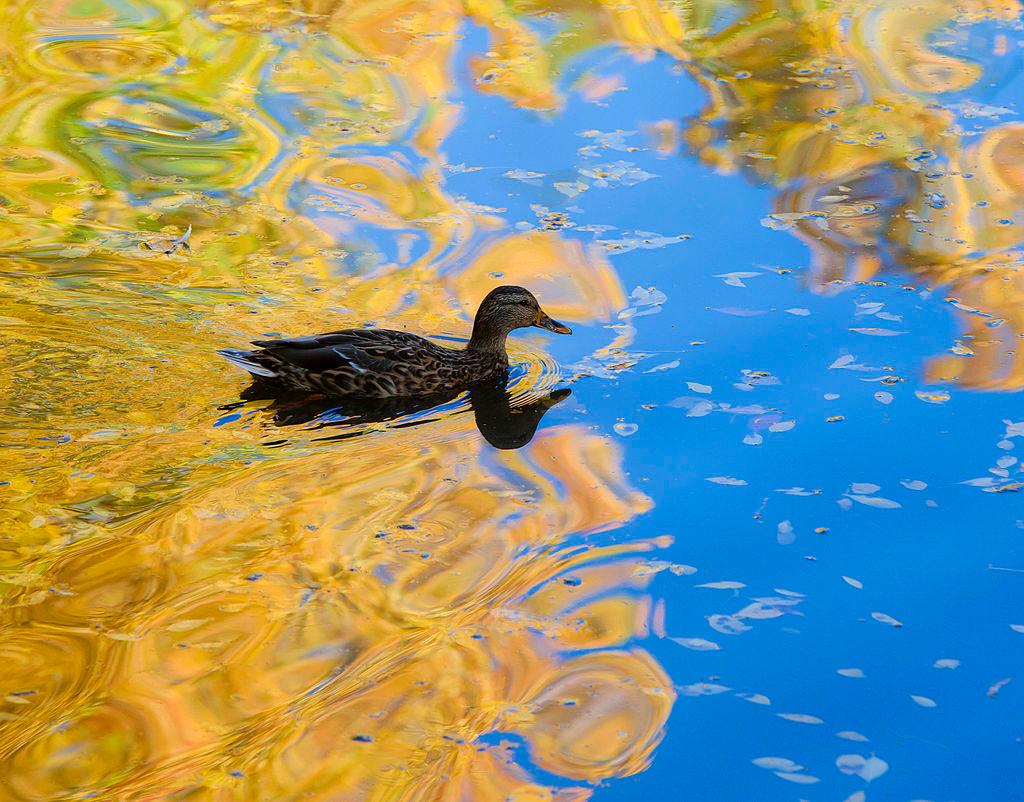
A lovely mallard floating through Kathryn Albertson Park. (Darin Oswald / Idaho Statesman via Getty Images)
Where to Go Birding
Ready to take flight? The Boise River Greenbelt and Hulls Gulch Reserve are great birding destinations. Check out the Golden Eagle Audubon Society’s website for other places to visit, including more accessible birding spots like Barber Park.
Believe it or not, there are also helpful folks on the internet — like in this Reddit thread about birding on the Greenbelt.
The Birds of Boise
A page you absolutely have to bookmark and download is the City of Boise’s field guide to birds. It’s full of invaluable information on our avian neighbors, their habitats, and fun facts — like Gadwalls’ affinity for stealing food from other ducks.
The spring is when nocturnal birds typically migrate through Idaho, something you can meticulously track through BirdCast’s detailed migration data and maps. Shoutout to the Tundra Swan, which you can probably spot through the end of April.
If you’re a fellow birder, we’d love to hear why you love it and how you got into it.